AI Meets CI 2026: Speakers
This page to be updated as information is provided.
Day 1 Speakers
| Speaker Photo | Speaker Name | Speaker Bio |
|
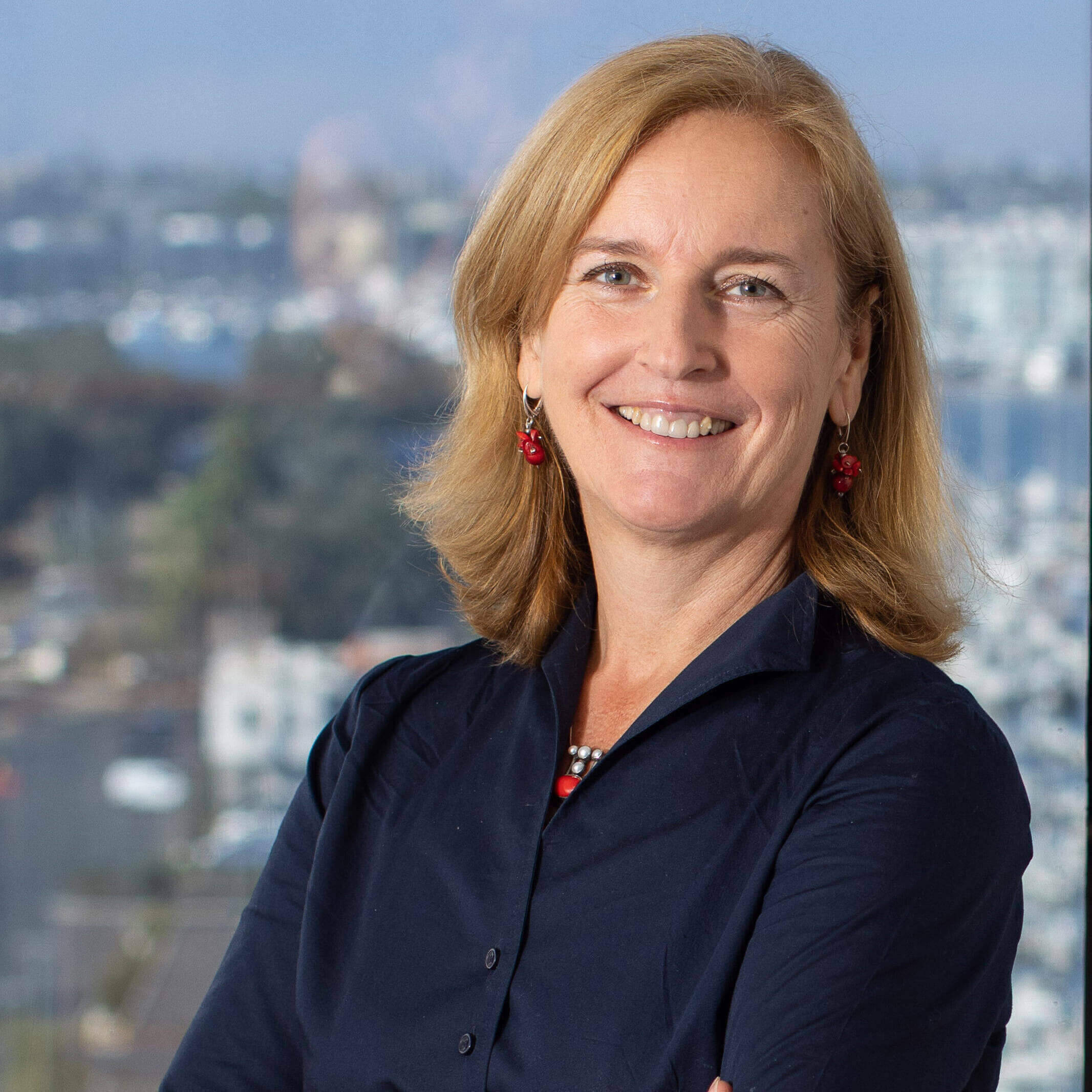
Ewa Deelman, Director, NSF CI Compass |
Principal Investigator, Director of CI Compass Expert in automation technologies, in particular, scientific workflow management. Deelman's system Pegasus, funded by SI2/SSI, is used in a number of scientific domains to automate large-scale application execution on distributed, heterogeneous resources. She is the PI on the CI Compass and provides the overall project leadership and coordination. |
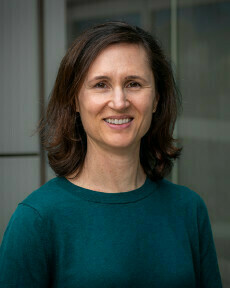 |
Katie Antypas, Senior Advisor for Cyberinfrastructure, NSF OAC | Katie Antypas is the Senior Advisor of Cyberinfrastructure, U.S. National Science Foundation (NSF)'s Office of Advanced Cyberinfrastructure (OAC), where she leads efforts to advance national-scale computing, data, and AI infrastructure for the U.S. research and education community, including the NSF’s National AI Research Resource (NAIRR) pilot. Prior to NSF, she spent 17 years at Lawrence Berkeley National Laboratory’s National Energy Research Scientific Computing Center (NERSC) in a range of leadership roles supporting large-scale HPC systems and user services. Katie holds an M.S. in Computer Science from the University of Chicago and a B.A. in Physics from Wellesley College. |
|
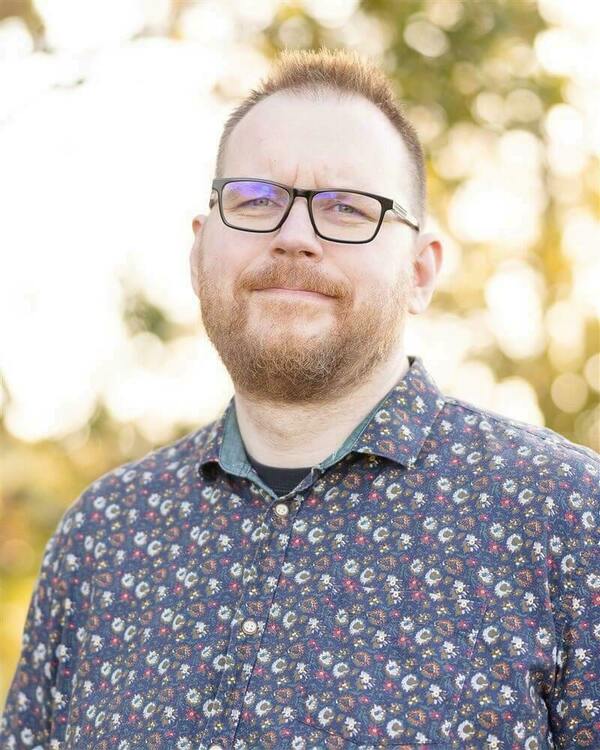
Benedikt Riedel, NSF IceCube |
Benedikt Riedel is Computing Director for the IceCube Neutrino Observatory and Wisconsin IceCube Particle Astrophysics as well as the Heterogeneous System Lead for the Accelerated AI Algorithms for Data-Driven Discovery (A3D3) HDR Institute. His research focuses on high throughput and data-driven applications. He received his Ph.D. in Physics from UW-Madison. |
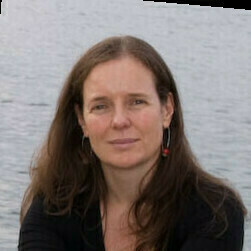 |
Leanne Guy (Rubin/LSST) |
Dr. Leanne Guy is the Data Management Scientist and Associate Director for System Performance at the Vera C. Rubin Observatory, with research interests in time-domain astronomy and cosmology. With a Ph.D. in particle physics, she brings experience from high-energy physics to developing large-scale data systems for astronomy. Abstract: Adoption of AI at the Vera C. Rubin Observatory In this panel, I will discuss various ways in which the Vera C. Rubin Observatory is adopting artificial intelligence to support operations, data processing and scientific discovery with the Legacy Survey of Space and Time (LSST). I will discuss our experience so far and highlight challenges and future opportunities. |
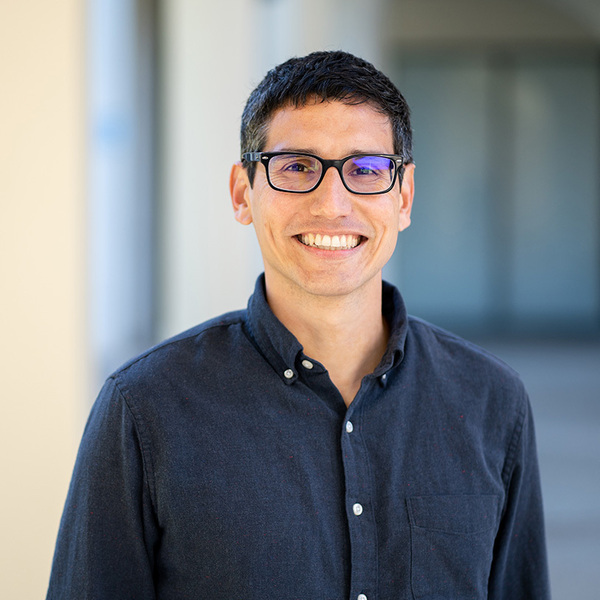 |
Javier Duarte (CMS) |
Javier Duarte is an Associate Professor of Physics at UC San Diego and a member of the Compact Muon Solenoid (CMS) experiment at the CERN Large Hadron Collider (LHC). He leads a research group developing AI techniques for high-energy particle collisions to better measure the properties and interactions of elementary particles and search for new physics. Abstract: Searching for new physics at the energy and intelligence frontiers. At the CERN LHC, protons collide 40 million times per second at the highest energies achievable in the lab, probing the microscopic nature of subatomic particles on the smallest length scales. Using data from these collisions, we can test the validity of the standard model and search for new particles or interactions. Artificial intelligence techniques are increasingly essential tools reshaping how we design detectors, reconstruct events, and extract measurements from the data. I will briefly review how this emerging “intelligence frontier” is accelerating discovery in particle physics. |
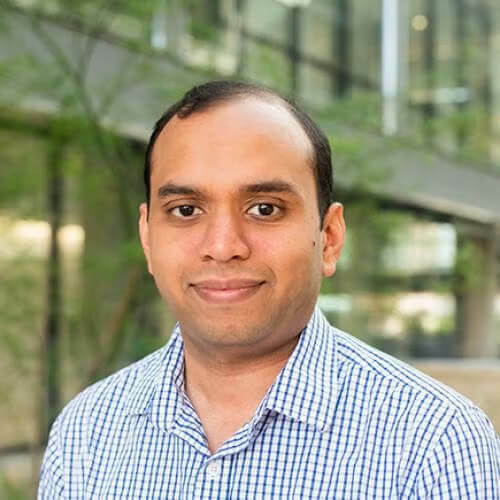 |
Krishna Kumar (TACC) | Dr. Krishna Kumar is an Associate Professor at the University of Texas at Austin. His research is at the intersection of AI/ML, numerical simulations, and robotics. He directs a $7M NSF-funded national ecosystem for AI integration in engineering and received an NSF CAREER Award in 2024. |
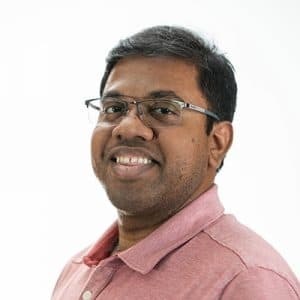 |
Anirban Mandal, Associate Director, NSF CI Compass |
Co-Principal Investigator, Associate Director of CI Compass Expert in distributed systems, cloud computing, networking, and data-driven scientific workflows. Mandal’s research deals with resource provisioning, scheduling, performance analysis, anomaly detection, and resource management for large scale scientific cyberinfrastructures, next generation networks and experimental testbeds. He serves as a co-PI and the associate director for the CI Compass project. |
|
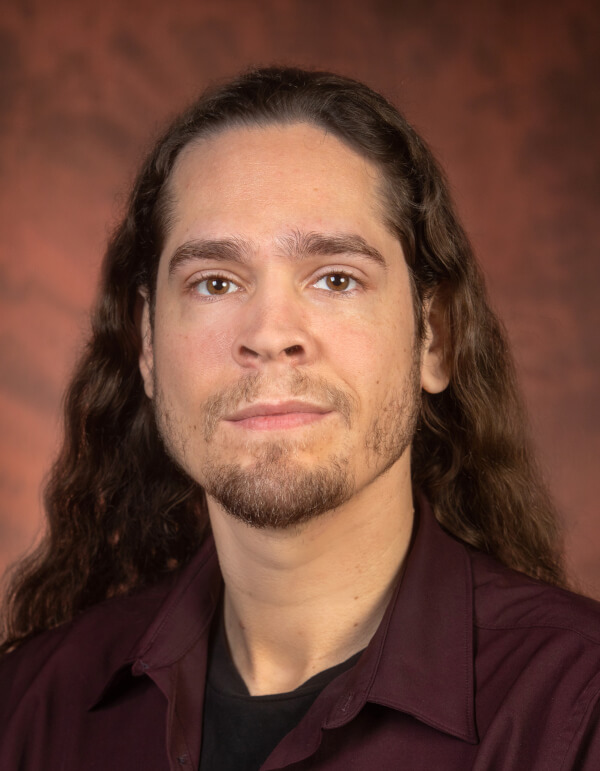
David Butcher, NSF MagLab | David S. Butcher serves as the National High Magnetic Field Laboratory’s FAIR data management specialist, working to ensure that all data collected by users is FAIR and AI-ready. He is also part of the Ion Cyclotron Resonance user facility, focusing on biological applications of FT-ICR mass spectrometry, including top-down proteomics. |
|
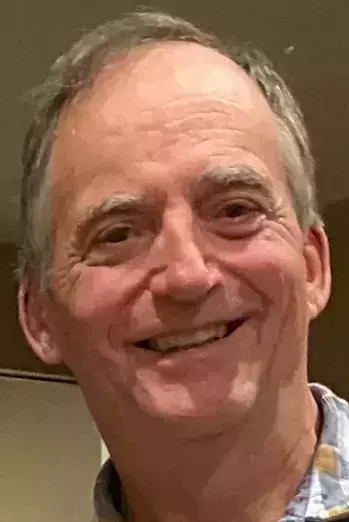
Ted Habermann, Metadata Game Changers |
Dr. Ted Habermann created Metadata Game Changers with Erin Robinson to help improve metadata for discovery, access, and understanding. Partners include NIH, U.S. Geological Survey, DataCite, EarthScope, UCAR, NSF, Dryad, CEDAR, and CHORUS on identifiers, metadata evaluation, re-curation, team games, and repositories to improve metadata for research objects (blog). Abstract: DataCite Metadata: A Key to RAG? DataCite is a repository of DOIs and metadata for over 100 million resources of many kinds. Most of the resources in the repository include only minimal metadata (6 fields) required for identification and citation, however, the schema includes descriptive material and many kinds of connections to other research objects. The descriptive content can be Abstracts, Methods, or TechnicalInfo and connections can have relations like Cites/IsCitedBy, Supplements/isSupplementTo, Describes/IsDescribedBy, HasPart/IsPartof. Can these metadata elements provide content that can support Retrieval-Augmented Generation to inform decisions about data reuse? |
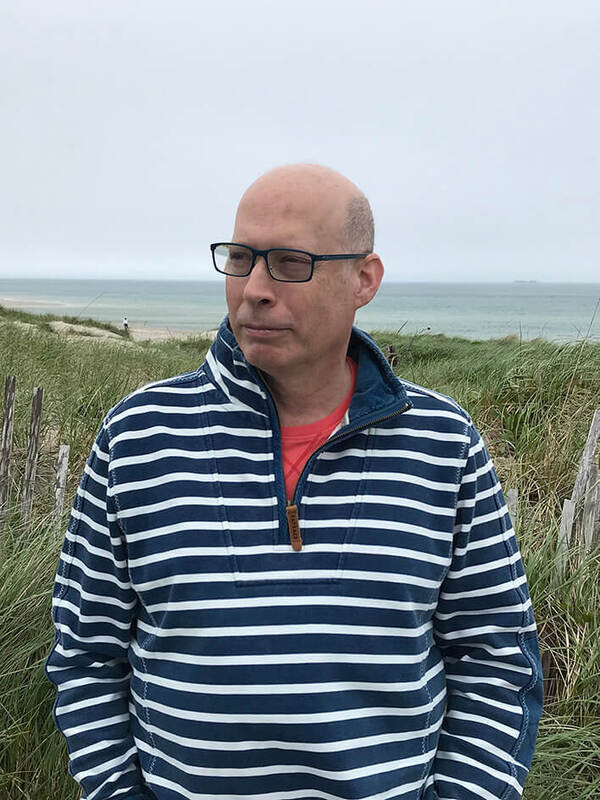 |
Jeffrey Glatstein, NSF OOI/WHOI |
Jeffrey Glatstein is the Senior Manager of Cyberinfrastructure at the Woods Hole Oceanographic Institution (WHOI), where he oversees the cyberinfrastructure for the Ocean Observatories Initiative. Since joining OOI in 2018, he has led efforts to improve the delivery, accessibility, and visualization of real-time oceanographic data from hundreds of deployed instruments.
Abstract: Preparing an Ocean of Data for AI Preparing oceanographic data for artificial intelligence requires standards, structure, and scientific context. This presentation outlines strategies OOI has or will use for transforming marine datasets into AI-ready resources. We will explore methods for identifying data quality, conforming formats, and exposing metadata information that enhance discoverability and interoperability. Emphasis will be placed on leveraging FAIR principles, modern cloud-native architectures, and scalable workflows to support machine learning applications. |
 |
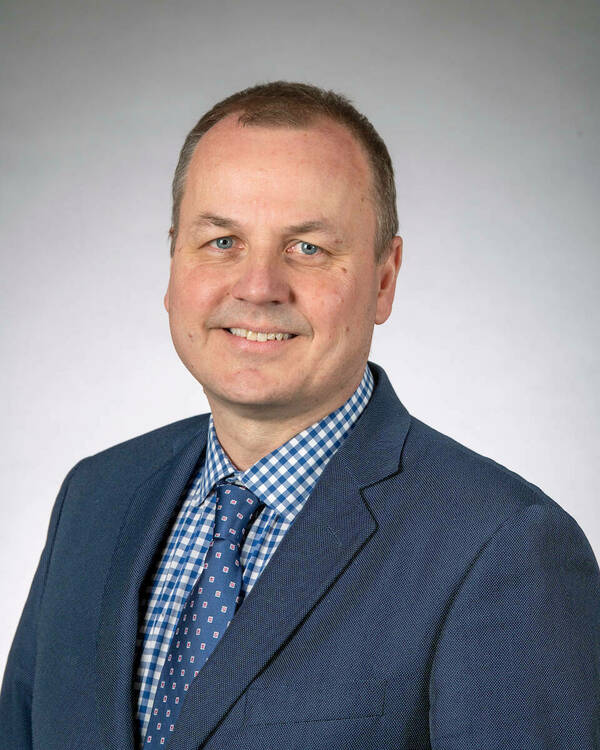
Eric Sokol, NSF NEON |
Eric R. Sokol is a Quantitative Ecologist at NEON/Battelle, specializing in biodiversity informatics and ecological modeling. He leads efforts to standardize and integrate NEON data for AI-driven research, with expertise in simulation models and open-source tools for reproducible ecological synthesis. Abstract: Making the National Ecological Observatory Network (NEON) AI-FAIR The National Ecological Observatory Network (NEON) is a long-term, continental-scale facility providing open ecological data to support research and public use across the United States. NEON follows FAIR principles to ensure data is trusted, high-quality, and compatible with other data sources (e.g., US LTER, GBIF, NPN, Ameriflux, etc.) to advance ecological understanding and ecosystem management. As AI/ML applications rapidly evolve, NEON is collaborating with partners and users to determine the requirements for making data FAIR for AI in ecology. These efforts not only enhance data usability for AI but also create opportunities to improve the efficiency of NEON’s observatory operations |
 |
Jarek Nabrzyski, NSF CI Compass |
Co-Principal Investigator
University of Notre Dame Expert in cyberinfrastructure development. Nabrzyski has collaborated with a broad range of scientific communities, such as astrophysics, polar and environmental sciences, physics, biomedical sciences, engineering, social sciences, and the humanities. He has experience in evaluating third-party infrastructures and has been involved in testing and evaluation activities for IARPA programs. Led by Nabrzyski, the Center for Research Computing (CRC) is a team of 55 social scientists and experts in cyberinfrastructure development, software engineering, DLC management, and embedded systems and IoT. Nabrzyski was a co-PI on the NSF-funded EarthCube Polar-Cyberinfrastructure RCN. |
Day 2 Speakers
| Speaker Photo | Speaker Name | Speaker Bio |
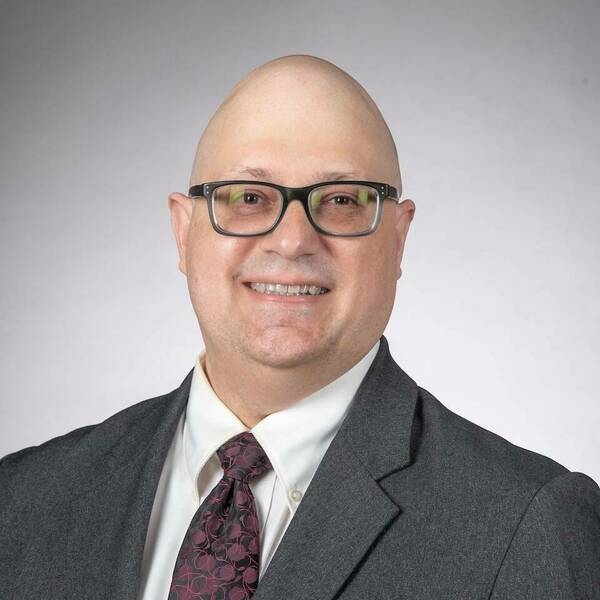 |
Chuck Vardeman, NSF CI Compass |
Knowledge Engineering and AI Expert Expert in FAIR data, linked-data, semantic and knowledge graph-based technologies, and pattern-based approach to ontology development for science. Vardeman is a Computational Scientist in Notre Dame's Center for Research Computing (CRC) and a Research Assistant Professor in the Department of Computer Science and Engineering. Originally trained as a theoretical chemist, after joining the CRC, he became interested in research to more effectively connect data to computational models. Vardeman is active in the Earth Science Information Partners (ESIP) Semantic Technologies Committee, science-on-schema cluster, and the semantic harmonization cluster where he is collaboratively developing methods to bridge earth science-related vocabularies and ontologies to provide interoperability between different earth science related domains. |
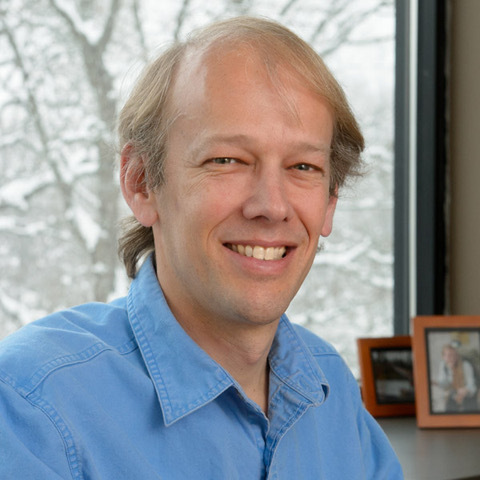 |
Pete Beckman, Northwestern University |
Pete Beckman is a professor at Northwestern University and explores and builds cyberinfrastructure for AI and edge computing. During the past 30 years, his research has focused on software and hardware architectures for large-scale parallel and distributed computing systems. While at Argonne National Laboratory, Pete focused on low-level resource management for exascale operating and runtime systems. At Northwestern University, Pete leads the Sage project (www.sagecontinuum.org), an infrastructure funded by the National Science Foundation to build a nationwide cyberinfrastructure for AI at the edge.
Abstract: Artifical Intelligence, LLMs, and Agents for science at the Edge AI is on the move. Large, sophisticated models are now being pushed to the edge, where smart infrastructure, intelligent sensors, and advanced scientific instruments are forming a new kind of AI-enabled computing continuum. The National Science Foundation recently funded Sage Grande, a groundbreaking national testbed (www.sagecontinuum.org) designed to support this transformation. The Sage Grande Testbed offers access to AI-enabled edge computing resources and integrated sensor systems—including infrared and RGB cameras, microphones, and atmospheric and air quality instruments—deployed across a range of environments: natural landscapes, urban areas, and wildfire-prone regions. These systems are networked to support real-time data processing and hazard reporting - from Volcanos National Park in Hawaii to the Grand Tetons. This infrastructure empowers scientists to explore cutting-edge LLMs and multimodal models, reasoning, agent-based instrument control, and privacy enhancing technologies. Sage Grande is a NAIRR Pilot — it provides a powerful platform for students and researchers to develop and deploy AI applications directly in the field. |
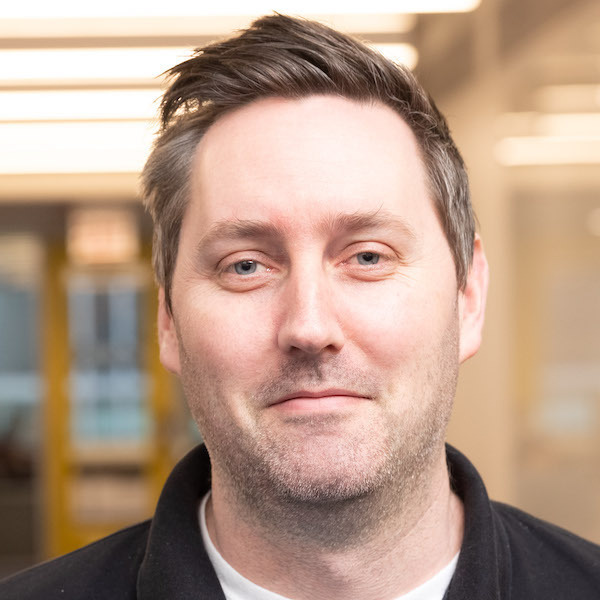 |
Kyle Chard, Globus | Kyle Chard is a Research Associate Professor in the Department of Computer Science at the University of Chicago and holds a joint appointment at Argonne National Laboratory. He received his Ph.D. in Computer Science from Victoria University of Wellington, New Zealand, in 2011. He is a member of the ACM and IEEE and has received several honors, including the IEEE TCHPC Award for Excellence for Early Career Researchers in HPC, participation in the Globus team that won an R&D 100 Award, and the New Zealand Top Achiever Doctoral Scholarship. He co-leads the Globus Labs research group, which focuses on data-intensive computing and research data management. |
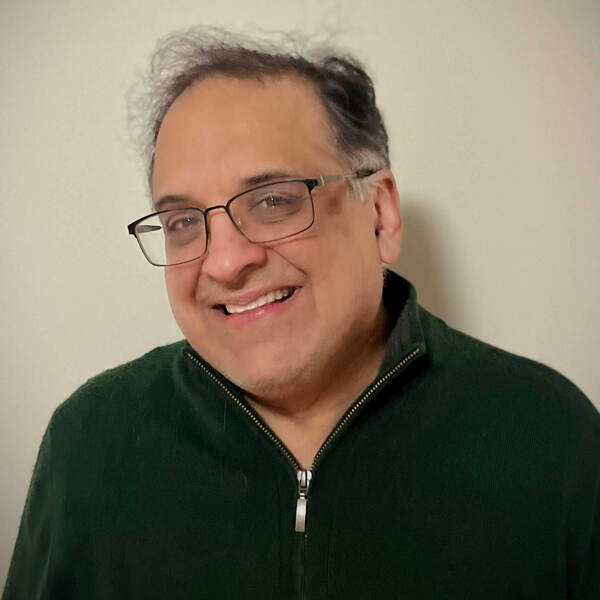 |
Raj Mishra, WHOI |
As Director of Information Services, Science & Engineering, Raj Mishra leads development of AI/ML-enabled software applications for scientific facilities and laboratories at WHOI. With a background in software and systems engineering, I focus on integrating intelligent data, computation, and automation into ocean science research and operations. Abstract: Principal Areas of AI-related Research and Development
|
|
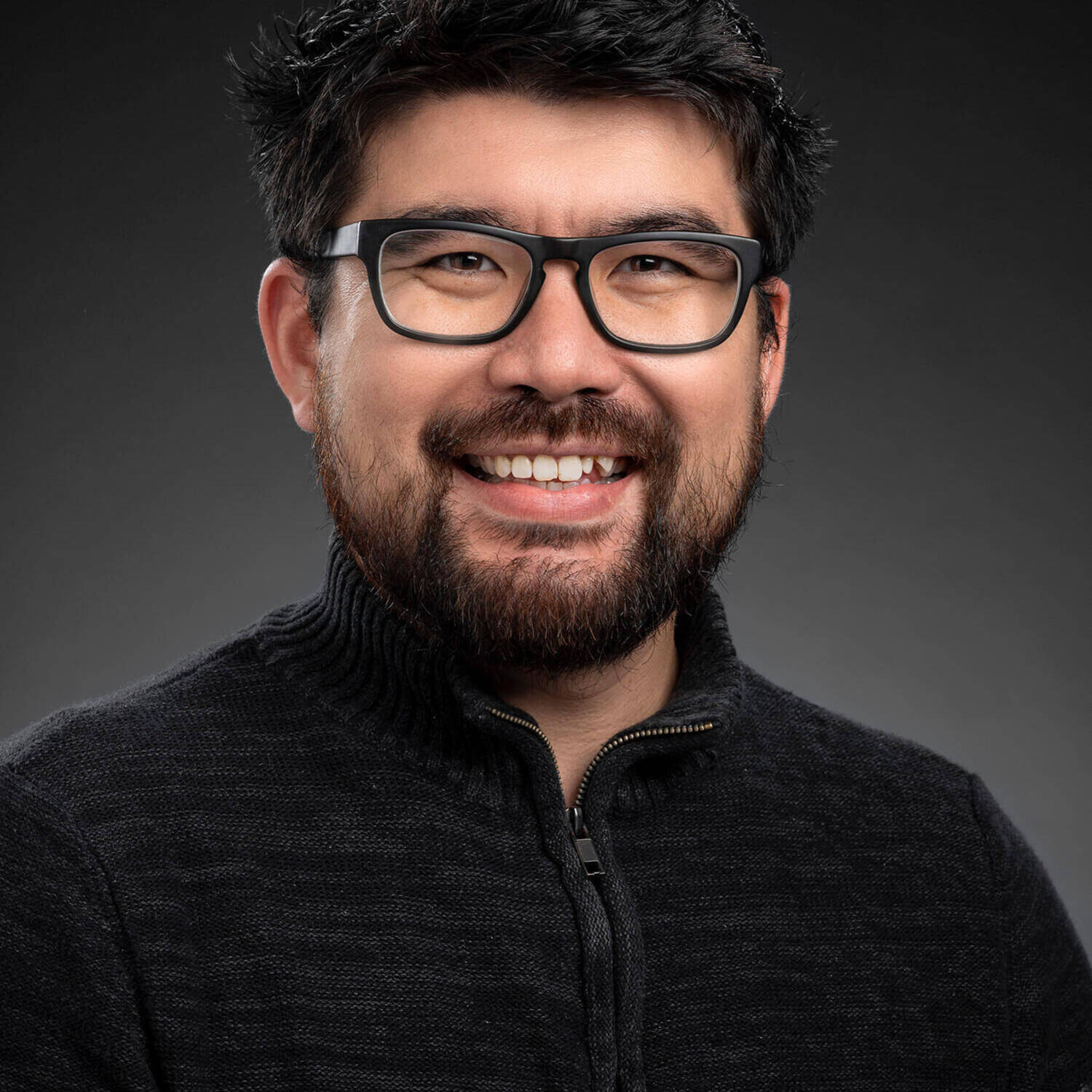
Cogan Shimizu, Wright State |
Cogan Shimizu is an assistant professor at Wright State University in Dayton, Ohio, USA, where he directs the Knowledge and Semantic Technologies (KASTLE) lab. His research focuses on the use of patterns in knowledge engineering, broadly defined, but especially for the purposes of explainability, interoperability, and improved extensibility of knowledge graphs. He is the PI for several NSF projects related to the formulation and dissemination of knowledge- and semantics enabled technologies: An Education Gateway for the Proto-OKN, A Feasibility Study for a Translational Institute for Knowledge Axiomatization, and Prototyping a new Knowledge Resource for modern AI (Proto-KAI). |
|
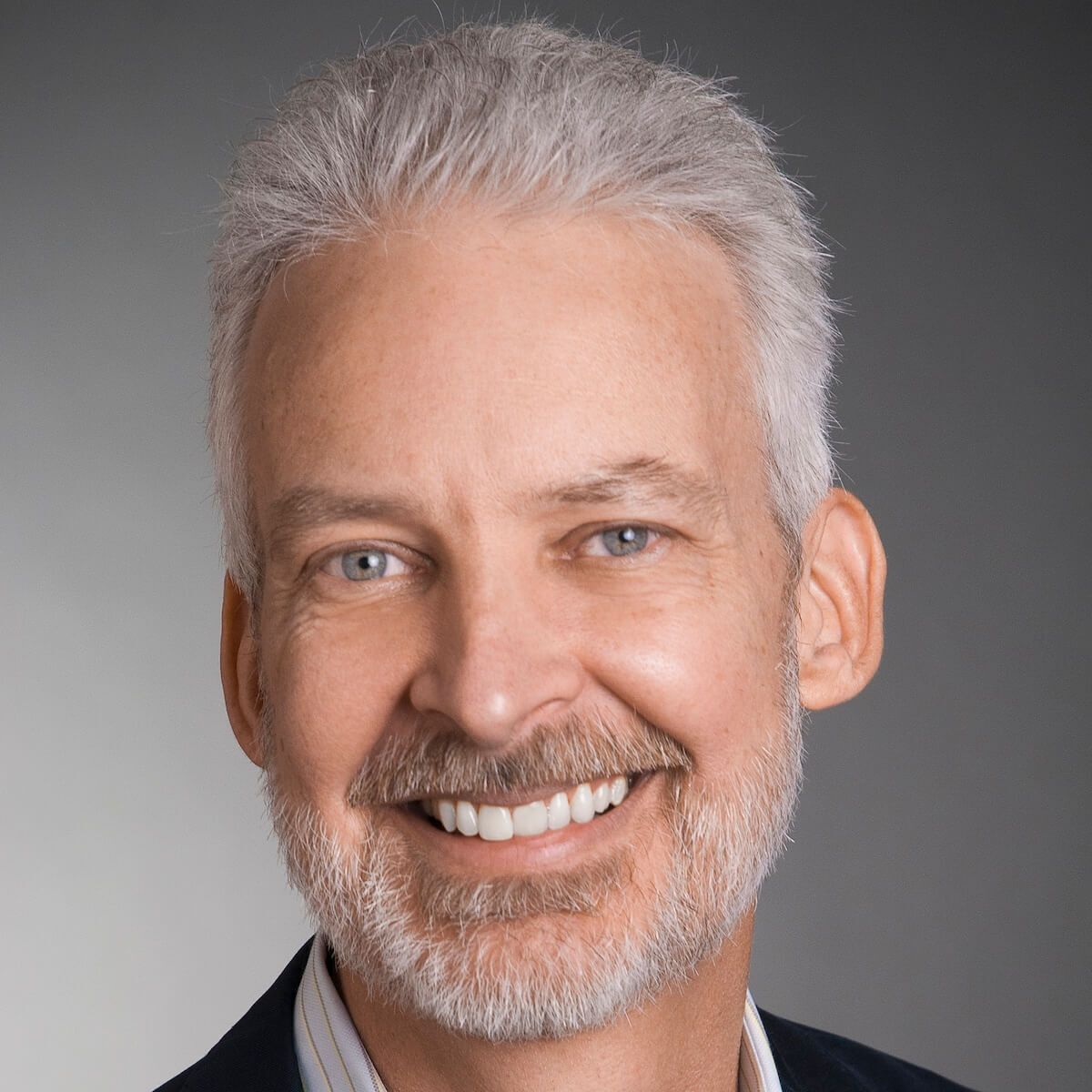
Dean Wampler, IBM |
Dean Wampler, Ph.D., is an expert in AI/ML systems and IBM's Head of Technology for the AI Alliance (aialliance.org). He has led several engineering teams at IBM Research, Anyscale, Lightbend, and other companies working on ML/AI, streaming data, and distributed technologies. Dean is an O'Reilly author, a contributor to several open-source projects, and a regular public speaker. Dean has a Ph.D. in Physics from the University of Washington. |
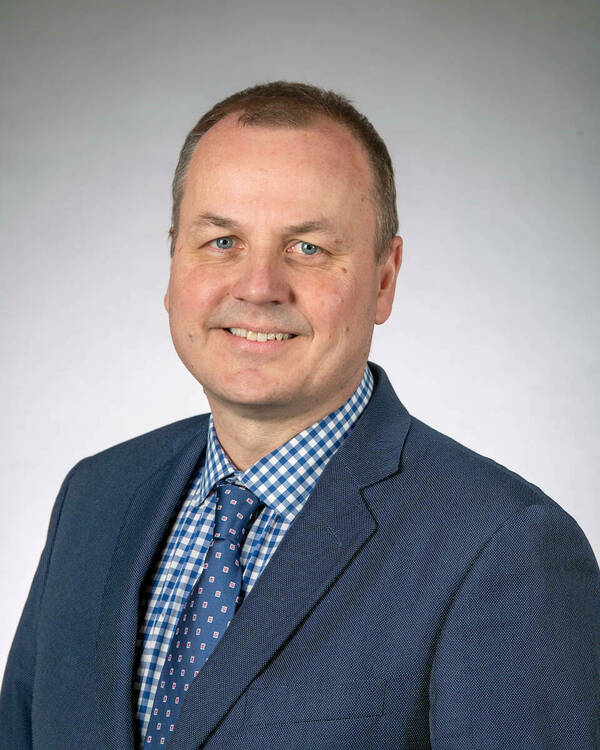 |
Jarek Nabrzyski, NSF CI Compass |
Co-Principal Investigator Expert in cyberinfrastructure development. Nabrzyski has collaborated with a broad range of scientific communities, such as astrophysics, polar and environmental sciences, physics, biomedical sciences, engineering, social sciences, and the humanities. He has experience in evaluating third-party infrastructures and has been involved in testing and evaluation activities for IARPA programs. Led by Nabrzyski, the Center for Research Computing (CRC) is a team of 55 social scientists and experts in cyberinfrastructure development, software engineering, DLC management, and embedded systems and IoT. Nabrzyski was a co-PI on the NSF-funded EarthCube Polar-Cyberinfrastructure RCN. |
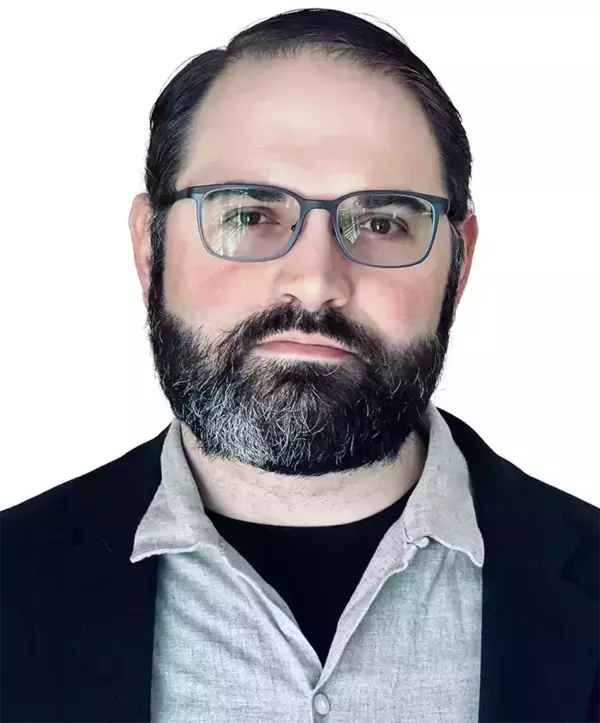 |
Drew Paine, TrustedCI |
Drew Paine is a lead user experience researcher in the Scientific Data Division at the Lawrence Berkeley National Laboratory and member of the Trusted CI team leading the Secure Use of AI project. Presenting with Dhwanit Pandya Abstract: Exploring scientific security considerations in the age of AI Trusted CI enables trustworthy NSF science by helping scientific entities build and maintain effective cybersecurity programs. With the growing adoption of AI across the research lifecycle the cyber and research security considerations that such programs must address continue to evolve. Currently there is limited guidance for scientific practitioners on the cybersecurity and research security impacts of AI tools and systems. In this talk we will discuss Trusted CI’s new Secure Use of AI effort to investigate and address this gap, along with initial insights and considerations from industry and academic research and frameworks. |
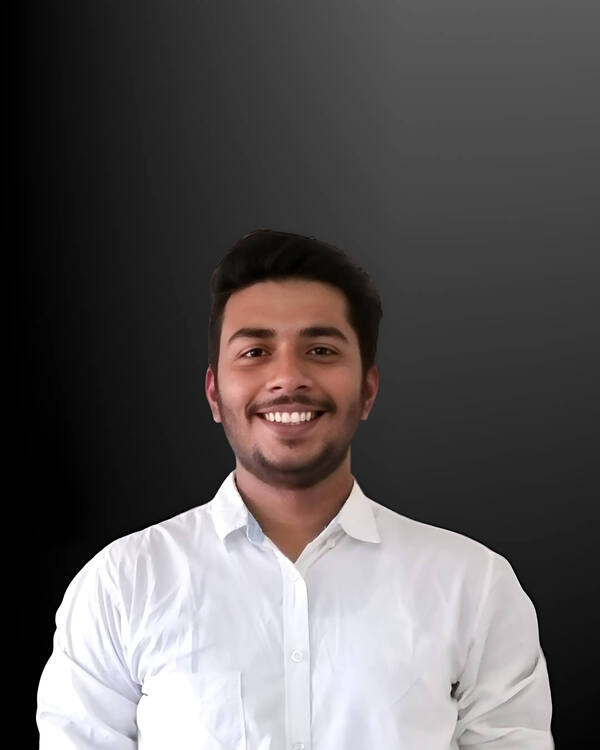 |
Dhwanit Pandya, Indiana University |
Dhwanit Pandya is a master’s student in Computer Science at Indiana University Bloomington and a Student Fellow at the Center for Applied Cybersecurity Research (CACR). He previously worked at Ernst & Young as a Cybersecurity Analyst and now focuses on AI security, cloud security, and secure software engineering. Presenting with Drew Paine Abstract: Exploring scientific security considerations in the age of AI Trusted CI enables trustworthy NSF science by helping scientific entities build and maintain effective cybersecurity programs. With the growing adoption of AI across the research lifecycle the cyber and research security considerations that such programs must address continue to evolve. Currently there is limited guidance for scientific practitioners on the cybersecurity and research security impacts of AI tools and systems. In this talk we will discuss Trusted CI’s new Secure Use of AI effort to investigate and address this gap, along with initial insights and considerations from industry and academic research and frameworks |
Day 3 Speakers
| Speaker Photo | Speaker Name | Speaker Bio |

|
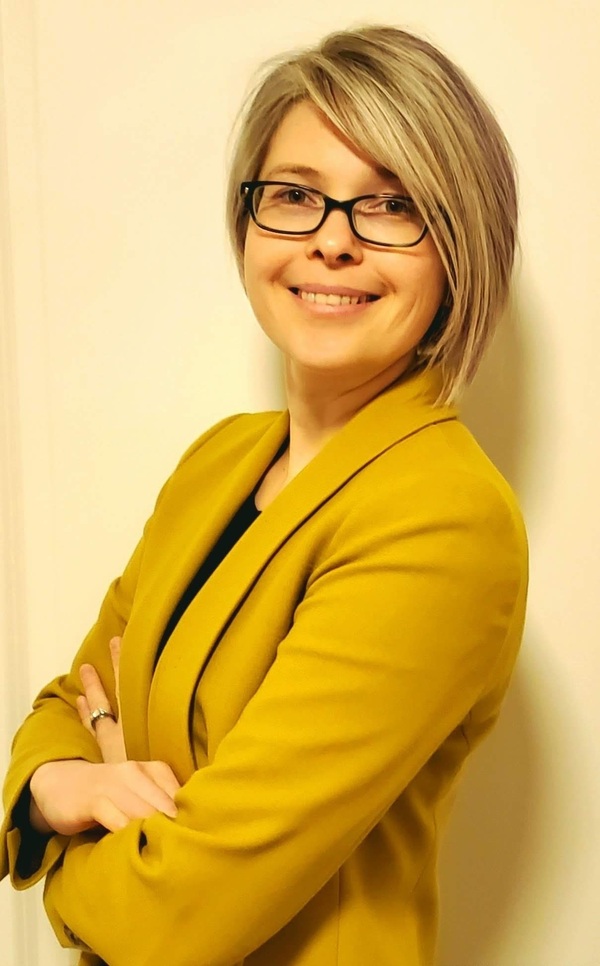
Emily Castleton, Los Alamos National Labs |
Emily Casleton is a statistician in the statistical sciences group at Los Alamos National Laboratory (LANL). She joined the lab in 2014 after earning her PhD in Statistics. Most recently, her research focus has been on bridging the gap between statistics and AI through better evaluation and uncertainty quantification. Abstract: Considerations for Testing and Evaluation of AI Systems In this talk I will discuss some best practices and frameworks for testing and evaluating AI systems; in particular, best practices for benchmark creation, bespoke metrics for bespoke models, uncertainty quantification of metric values, and evaluation that goes beyond a standard leaderboard. These topics will be demonstrated using examples from large language models, vision-language models, seismic AI models, and multi-physics computer model emulation. |
|
Svitlana Volkova, Aptima |
Dr. Svitlana Volkova is Chief of AI at Aptima, Inc. and former Chief Scientist at Pacific Northwest National Laboratory. She holds a Ph.D. from Johns Hopkins University and has authored 100+ publications. Her research pioneers multimodal frontier AI, agentic AI systems, trusted and responsible AI, and human-AI teaming for national security applications. Abstract: Building the Human-AI Scientific Discovery Ecosystem: Agentic Workflows and Trustworthy Human-Agent Teaming for Next-Generation Research Infrastructure The GENESIS Mission envisions AI agents that automate research workflows and accelerate scientific breakthroughs. Yet realizing this vision requires human-centered design ensuring effective scientist-AI collaboration. This talk presents two complementary approaches from recent DARPA efforts: BIOSAGE, a compound AI platform orchestrating specialized agents for cross-disciplinary scientific knowledge synthesis, research debate, and hypothesis generation through workflow-centric design; and EMHAT, a framework using human digital twins to investigate trust dynamics and optimize human-AI team performance. Together, these efforts offer Major and Mid-Scale Facilities a roadmap for integrating agentic AI that is scientifically productive, operationally effective, and grounded in human factors essential for trustworthy adoption. |
|
Rob Redmon, Director, NOAA Center for AI |
Robert Redmon is a senior scientist with NOAA’s National Centers for Environmental Information, where he serves as Director of the NOAA Center for Artificial Intelligence. He is a graduate of NOAA’s Leadership Competencies Development Program, and earned a Ph.D. in Aerospace Engineering Sciences from the University of Colorado. Abstract: NOAA's AI Transformation NOAA is transforming its mission delivery, energized by advancements in AI, data-driven modeling, and deeper connections between humans and information services. NOAA is leveraging AI at scale, from traditional machine learning to modernizing data holdings into a knowledge mesh for cross-domain fusion. The NOAA Center for Artificial Intelligence (NCAI) accelerates this transformation by establishing AI-ready standards, responsible AI training resources, and facilitating communities of practice, detailing resources and activities to empower NOAA’s mission and the community. |
 |
Rahul Ramachandran, NASA |
Dr. Rahul Ramachandran is a Senior Research Scientist at NASA’s Marshall Space Flight Center, where he directs the center’s data science and artificial intelligence initiatives. He leads the Pathfinder AI for Science Portfolio for the Office of the Chief Science Data Officer, overseeing the development of foundation models including Prithvi-EO, Prithvi-WxC, and Surya Helio FM. Dr. Ramachandran introduced the concept of Accelerated Knowledge Discovery, a framework shifting AI from an analytic tool to a scientific collaborator through agentic software. His operational leadership includes modernizing the Global Hydrology Resource Center DAAC into NASA’s first cloud-native archive and establishing the Satellite Needs Working Group Management Office to align federal priorities with NASA’s Earth observations. A recipient of the Presidential Early Career Award for Scientists and Engineers (PECASE), NASA Exceptional Achievement Medal and AGU Leptoukh Lecture, Dr. Ramachandran fosters cross-sector partnerships to support open science and collaborative research. Abstract: AI Foundation Models for Science NASA manages petabytes of observational data, spanning scales from galactic structures to microscopic biological systems. While these archives offer unparalleled opportunities for scientific discovery, their sheer volume challenges traditional extraction of meaningful insights. Conventional deep learning addresses these issues but remains constrained by the resource-intensive requirement for large, labeled datasets. Foundation Models (FMs) offer an alternative by employing self-supervised learning to distinguish latent patterns within unlabeled data, thereby streamlining diverse downstream applications. To operationalize this potential, NASA’s Office of the Chief Science Data Officer implemented a strategy to develop open-source FMs using flagship datasets from all science divisions, alongside a science-specific language model. Key achievements include two iterations of the Prithvi Geospatial model for environmental monitoring and the Prithvi Weather and Climate model, designed to reconstruct atmospheric states and forecast future conditions. Additionally, the initiative recently deployed a heliophysics foundation model to advance space weather analysis. This presentation will provide an overview of the foundation models released to date, the workflows used in their design and development, and the roadmap for future models. |
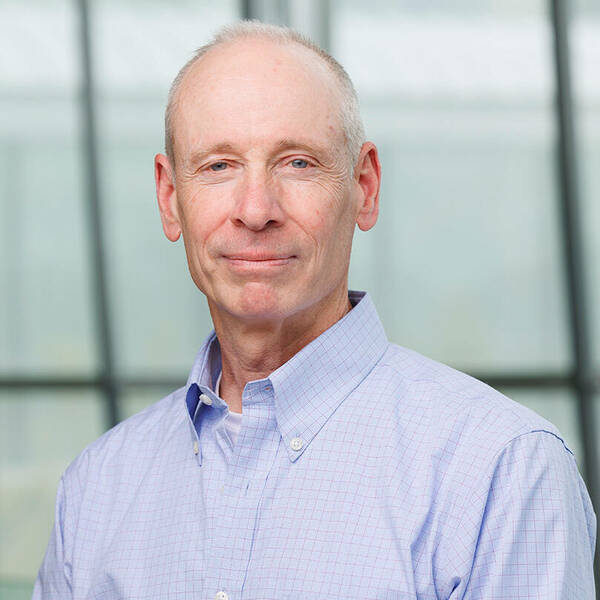 |
Gordon Broderick, VIDO/University of Saskatchewan, Canada |
Dr. Gordon Broderick holds a doctorate in chemical engineering from the University of Montreal, Master’s and undergraduate degrees from McGill University, with post-doctoral training in cancer genomics and computational biochemistry. His research focuses on large computing approaches for deciphering the immune system’s design principles and algorithmic programming, supported by the US DoD, Veterans Affairs and NIH. He now holds cross-appointments at the University of Saskatchewan (USask) in the Department of Mathematics and Statistics and the Department of Pediatrics. A principal scientist at the University’s Vaccine and Infectious Disease Organization (VIDO), he leads their initiative in mathematical immunology and immunodynamics, applying network and dynamic systems theory to design novel vaccines and immune therapies. Abstract: Harnessing AI to accelerate rational vaccine design VIDO is Canada’s Centre for Pandemic Research where challenging high-containment conditions can lead to especially sparse experimental data sets. In this talk we will focus on the selection of data-sparing AI model architectures and machine learning (ML) approaches as they might apply to two mission critical projects in rational vaccine design, namely the reconstruction of host immune response pathways and the rapid large-scale screening of vaccine antigens. Specifically, we discuss small domain and task-specific Language Models (LM) as an attractive alternative to LLM and explore sample selection policies for incremental tuning that promise a 3 to 4-fold reduction in data use. |
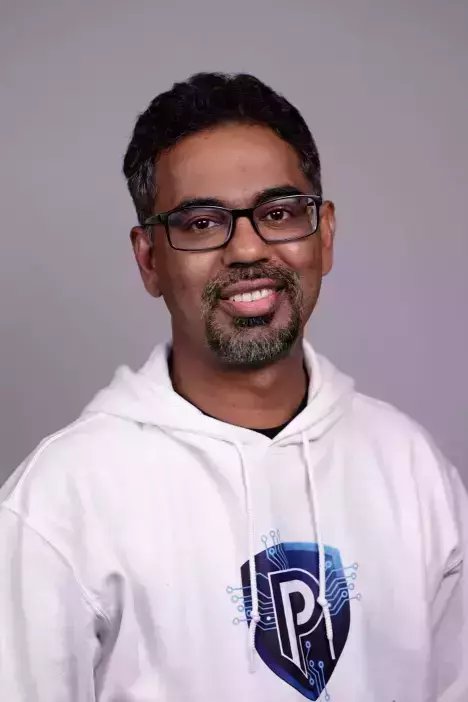
|
Prasanna Balaprakash, Prima Labs |
Prasanna Balaprakash is Co-founder and CEO of PrimaLabs, building enterprise AI optimization platforms. He recently served as Director of AI Programs at Oak Ridge National Laboratory, where he led a multi-million dollar annual AI Initiative managing 50+ researchers. His work includes co-creating the DeepHyper automated machine learning framework and leading development of the several scientific AI foundation models. He holds a Ph.D. from Université Libre de Bruxelles and served on Tennessee's AI Advisory Council. Abstract: Navigating the Heterogenous Computing Landscape: Optimization Strategies for Modern AI Workloads The proliferation of diverse accelerator architectures—GPUs from multiple vendors, custom ASICs, and emerging neuromorphic and quantum-classical hybrid systems—presents both unprecedented opportunities and significant challenges for AI practitioners. While hardware diversity promises performance gains and cost efficiencies, realizing these benefits requires fundamentally rethinking how we design, deploy, and optimize AI workflows. This talk examines the optimization landscape for heterogeneous computing environments, addressing three interconnected dimensions: hardware-aware optimization that accounts for architectural differences in memory hierarchies, interconnects, and compute characteristics; cost-aware scheduling that balances performance against operational expenditure in multi-cloud and on-premise deployments; and application-aware tuning that matches workload characteristics to optimal hardware configurations. Drawing on experience deploying large-scale AI systems across leadership computing facilities, I present practical strategies for achieving efficient utilization on mixed-vendor GPU clusters, discuss automated approaches to hyperparameter and architecture search in heterogeneous environments, and outline emerging techniques for portable performance across diverse backends. The talk concludes with observations on where the field is headed as hardware fragmentation accelerates and the economic stakes of efficient AI infrastructure continue to rise. |